
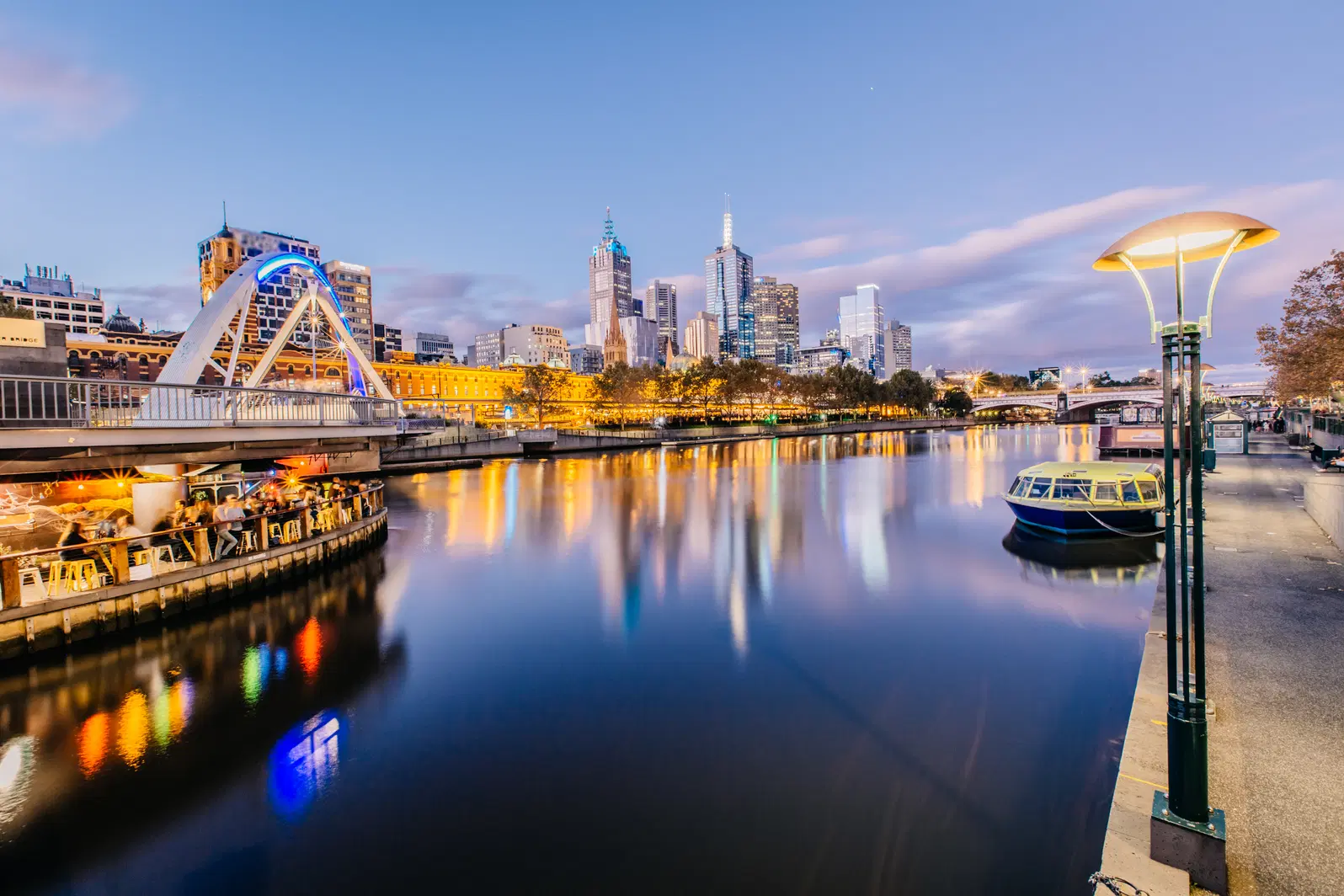
Australia has always sat near the top of the bucket list for Indian travellers, but it has often stayed there a little longer than other destinations simply because of the distance, the cost, and a visa process that felt more involved than a quick Southeast Asia trip. That gap has started closing this year. Visa processing for Indian applicants has become noticeably faster and more digital, and more Bangalore travellers are finally booking the Australia trip they had been postponing.
This guide covers what an Australia trip from Bangalore actually involves right now, from the visitor visa process to realistic costs, the best time to go given the reversed seasons, and a sample itinerary covering the country’s two biggest cities.
Why More Indian Travellers Are Booking Australia This Year
Part of the shift comes down to Australia’s own efforts to attract more visitors from India, one of its fastest-growing source markets for tourism. Processing improvements and a fully online application system have made the visitor visa considerably less intimidating than it used to be, and application volumes from India have risen noticeably as a result.
Beyond the visa side, Australia genuinely delivers on variety in a way few long-haul destinations do. You get world-class cities in Sydney and Melbourne, hard wildlife encounters to replicate anywhere else, and both coastline and outback landscapes within the same country. For travellers who have already covered the more common Southeast Asia and Gulf routes, Australia offers something meaningfully different for a bigger, once-in-a-while trip.
Australia Visitor Visa for Indians: What Has Changed
Indian citizens travelling to Australia for tourism generally apply for the standard visitor visa category, commonly known as the subclass 600, which covers holiday and family visit purposes. The application is submitted entirely online, along with supporting documents such as your passport, financial evidence, travel itinerary, and in some cases a letter explaining the purpose of your visit.
Processing times have generally improved, with many straightforward applications now being decided faster than in previous years, though exact timelines can still vary depending on your individual circumstances and the volume of applications being processed at any given time. Because visa policies and processing benchmarks are reviewed periodically, it is worth checking the Australian Department of Home Affairs website directly for the current requirements and expected timelines before you apply, rather than relying on last year’s experience from a friend or relative.
Applying well ahead of your intended travel dates remains the safest approach, particularly if you are travelling during Australia’s peak summer season around December and January, when both visa applications and flight bookings tend to surge together.
How to Get to Australia from Bangalore
Most Bangalore travellers reach Australia through a one-stop connection, commonly via Singapore, Kuala Lumpur, or a Gulf hub, with total travel time including the layover typically running between twelve and sixteen hours depending on the route and your final Australian city. Sydney and Melbourne are the two most common entry points for Indian travellers, both offering strong onward domestic connections if your itinerary includes other parts of the country.
For a broader look at how Bangalore’s international flight network has grown recently, including expanded long-haul options, our article on new international flights from Bangalore is a useful read before you book.
It is also worth planning for the time difference, since Australia’s east coast runs well ahead of Indian Standard Time, generally by four and a half to five and a half hours depending on the season, thanks to Australia’s own daylight saving changes. Building in a relaxed first day after landing, rather than jumping straight into a packed schedule, helps most travellers adjust more comfortably before sightseeing begins in earnest.
Australia Trip Cost from Bangalore: Budget vs Premium
Australia is not a cheap destination by regional standards, but a thoughtfully planned trip can still work across a range of budgets.
Budget-style travel means hostels or budget hotels, cooking some meals or relying on casual eateries and food courts, public transport within cities, and prioritising free attractions like beaches, parks, and walking trails over paid experiences.
Mid-range travel means 3 to 4-star hotels, a mix of casual and sit-down dining, a domestic flight or two to cover more ground, and a handful of paid experiences such as a Great Barrier Reef day trip or a wildlife park visit.
Premium travel means 4- to 5-star hotels, private tours, fine dining, and additional experiences like a scenic flight over the Great Ocean Road or a guided outback excursion.
Because Australia is a long-haul destination from Bangalore, flights typically represent a larger share of the total trip cost than they would for a Southeast Asian holiday, so booking several months ahead and staying flexible with travel dates can meaningfully reduce your overall spend. Our general guide on saving money on flights, hotels and holiday tours covers strategies that apply well here too.
Best Time to Visit Australia
Australia’s seasons run opposite to India’s, which catches some first-time visitors off guard. December to February is Australian summer, ideal for beaches and coastal activities in Sydney and Melbourne, though it is also peak tourist season with higher prices. March to May brings autumn, generally offering pleasant temperatures and thinner crowds, making it a strong shoulder season choice. June to August is winter, cooler in the south but still a good time to visit tropical northern regions like Queensland. September to November is spring, another comfortable shoulder season with blooming landscapes in wine regions and gardens.
If your itinerary includes both major cities and a Great Barrier Reef extension, spring or autumn generally offers the best balance of comfortable weather across both the temperate south and the tropical north.
A Sample 10 Day Australia Itinerary
- Days 1 to 4, Sydney: Sydney Opera House and Harbour Bridge, Bondi to Coogee coastal walk, a day trip to the Blue Mountains.
- Days 5 to 7, Melbourne: Laneways and coffee culture, the Great Ocean Road as a day trip, a visit to the Royal Botanic Gardens.
- Days 8 to 10, Optional extension: Fly north to Cairns for the Great Barrier Reef, or south to Tasmania for a quieter nature-focused finish, depending on your interests and remaining budget.
Practical Tips for Indian Travellers in Australia
Australia uses the Australian Dollar, and cards are accepted almost everywhere, including small cafes and public transport, so you will rarely need much cash on hand. Distances between cities are far larger than they appear on a map, so factor in either a domestic flight or a long drive if your itinerary spans multiple states, rather than assuming everything is a quick hop like it might be within a smaller country.
Tipping is not expected in Australia the way it is in some other countries, since service charges are generally built into menu prices and wages. Sun protection matters more here than most travellers expect, given how strong Australian sunlight can be even on a mild-looking day, so pack sunscreen and a hat regardless of the season you are travelling in.
If you are combining Australia with other stops on a longer trip, our guide on planning an around-the-world trip covers how to sequence a longer multi-country route without wasting travel days on backtracking.
Wildlife and Nature Experiences Worth Planning For
Australia’s wildlife is a genuine highlight for most first-time visitors, and it is worth building at least one dedicated day into your itinerary rather than hoping to catch glimpses in passing. Wildlife parks near both Sydney and Melbourne offer close encounters with koalas and kangaroos in a controlled, ethical setting, which tends to work better for families with children than hoping for a chance sighting in the wild.
If your budget and timeline allow for it, a trip up to Queensland opens up snorkelling or diving on the Great Barrier Reef, one of the most talked about natural attractions anywhere in the world, along with rainforest walks in nearby national parks. Travellers heading south instead can add Tasmania for a quieter, nature-heavy few days, known for its rugged coastline and relatively untouched wilderness compared to the busier mainland cities.
Whichever direction you choose, book popular wildlife encounters and reef tours a few weeks ahead during Australian school holiday periods, since local family travel can fill up availability faster than international visitors often expect.
Frequently Asked Questions
Do Indians need a visa to visit Australia?
Yes, Indian passport holders need a visitor visa, generally the subclass 600 category for tourism, applied for entirely online before travel.
How long does the Australia visitor visa take to process?
Processing times vary by application and season, and while many straightforward applications are now processed faster than in previous years, it is best to apply well ahead of your travel dates and check current timelines on the official Department of Home Affairs website.
How many days are ideal for a first Australia trip?
Ten to fourteen days works well for covering Sydney, Melbourne, and one additional region such as the Great Barrier Reef or Tasmania without feeling rushed.
Is Australia expensive compared to Europe?
Costs are broadly comparable to Western Europe, with accommodation and dining in Sydney and Melbourne sitting at a similar level to major European cities.
What is the best time to see the Great Barrier Reef?
Visibility tends to be best during the drier months from June to October, though the reef is generally open to visitors year-round depending on weather conditions on the day.
Is Australia a good destination for families with young children?
Yes, cities like Sydney and Melbourne offer plenty of family-friendly attractions, wildlife parks, and beaches with calm swimming areas, though the long flight duration is worth planning around for younger children.
Plan Your Australia Trip with RTW Travel and Tours
An Australia trip involves more planning steps than a shorter regional holiday, from visa timing to deciding how many cities and regions to fit into your schedule. Our team at RTW Travel and Tours can help you build a realistic itinerary and manage the visa and flight planning together. Browse our Australia holiday packages or get in touch with our travel consultants to start planning your trip.